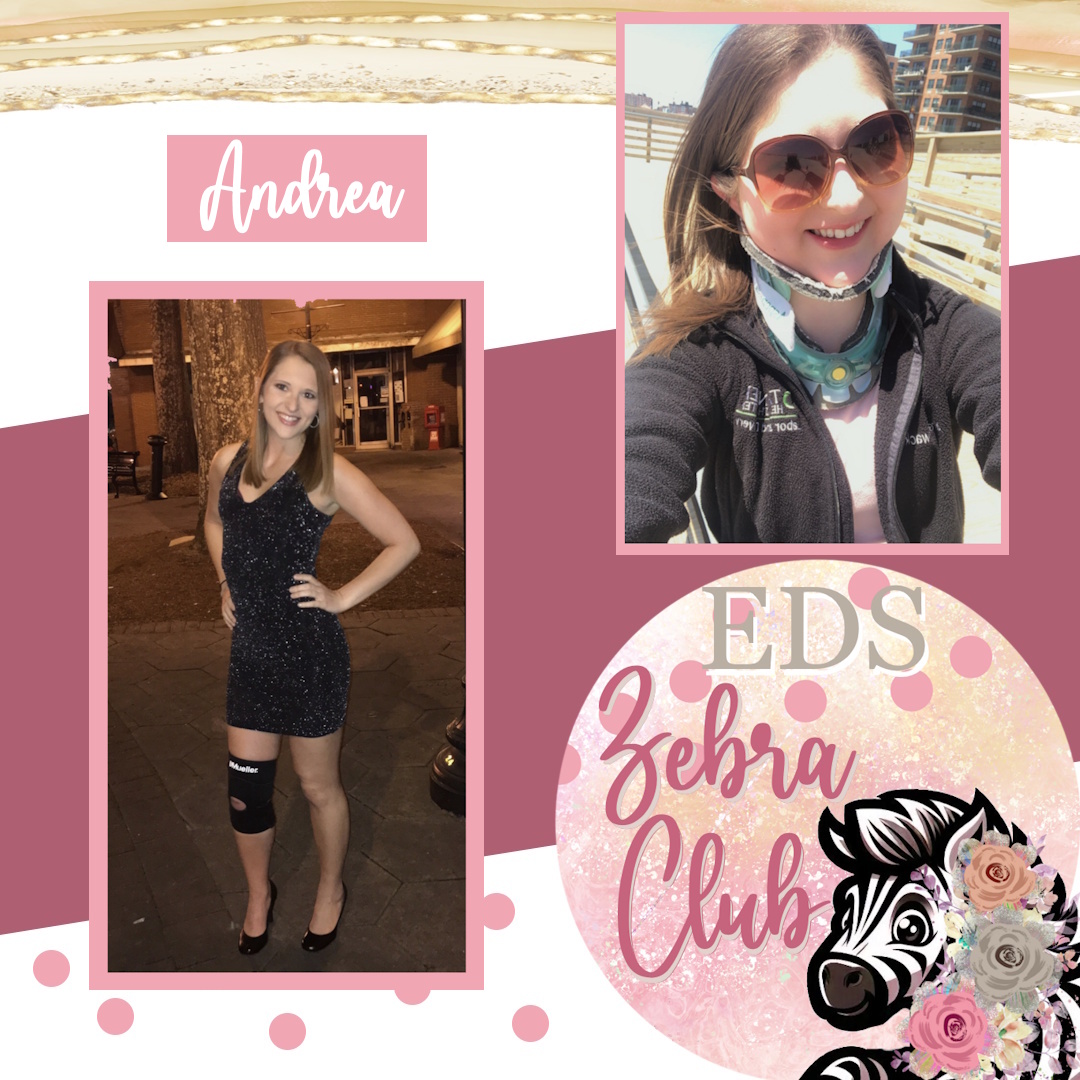
Member Spotlight: Real Stories from Our EDS Zebra Club Community
At EDS Zebra Club, we believe every zebra’s journey holds power—stories of strength, resilience, and hard-earned wisdom that deserve to be seen and heard. That’s why we created Member Spotlight, a heartfelt series where individuals living with Ehlers-Danlos Syndrome (EDS) and Hypermobility Spectrum Disorder (HSD) share their lived experiences, diagnostic journeys, and the personal truths behind their medical battles.
In this edition, we’re honored to share the story of Andrea Zawacki whose life changed forever after a car accident revealed the complexity of her health. Andrea’s story captures the emotional and physical toll of chronic illness—and the hope that can still be found on the other side.
If you’re navigating your own health journey, seeking connection, or simply want to understand what living with EDS truly means—this space is for you.
Welcome to the heart of the EDS Zebra Club: where stories are shared, voices are lifted, and no one walks this path alone.
⸻
Fighting for Answers: Andrea’s Road to an EDS Diagnosis and Purpose
Meet Andrea
An Introduction to Life Before an EDS diagnosis
Hello everybody! My name is Andrea Zawacki, and I am 30 years old. I am originally from Michigan but moved to Georgia in 2008 with my family. I am a fur momma to two precious puppies: Jack, who is a 13-year-old Pomeranian Mix, and Peach who is an almost 10-year-old Pitbull Mix, and those two babies are my whole world!
My hobbies include spending time with family and friends, working out at the gym (when I can), traveling (when I can), shopping, crafting, reading, and watching true crime TV along with The Bachelor/Bachelorette, Grey’s Anatomy, and most talent competition shows.
Before I became ill with EDS in 2019, I was a Certified Surgical Technologist in the Labor and Delivery Unit at my local hospital for about four years and was also in school to obtain my degree in nursing and loved every bit of it! Unfortunately, I was involved in a car accident on the way home from work in November 2019, which completely changed my life. That was the start of the fight for my life, when I was diagnosed with Hypermobile Ehlers-Danlos Syndrome and many of its comorbidities and had to succumb to being disabled.
For a while after the accident, I felt lost as far as what I wanted to do for the rest of my life; however, after years of fighting this condition, doing a tremendous amount of research about this condition, and meeting many other zebras, like myself, I have discovered a newly found interest in patient advocacy and have been dedicated to paving that pathway to help others with chronic health conditions. I am unsure where this road will lead me, but I would love to help, even if it is just one person not having to deal with the same battles that I had to face to be diagnosed and treated.
The Long Road to Answers
Years of Symptoms and Medical Setbacks
My EDS diagnosis journey has been said, by many, to be a little unique so stick along for the ride because it is a long story, but I am hoping that by sharing my experience, I will reach somebody who may be going through something similar or knows somebody who may be going through something similar, and can help guide them to finding an answer for themselves!
Throughout my childhood, I have generally been healthy, except for a few common issues, like Asthma and a few allergies. Yes, looking back at it now and knowing what to look for, I recognize that I have always had physical symptoms of EDS, like being exceptionally flexible, developing growing pains while growing up, and dealing with a very sensitive gut, along with exhibiting many physical features of EDS, like stretchy skin and easy bruising, but I never had a significant event occur, which would prompt the need to investigate the diagnosis until I was in my early twenties.
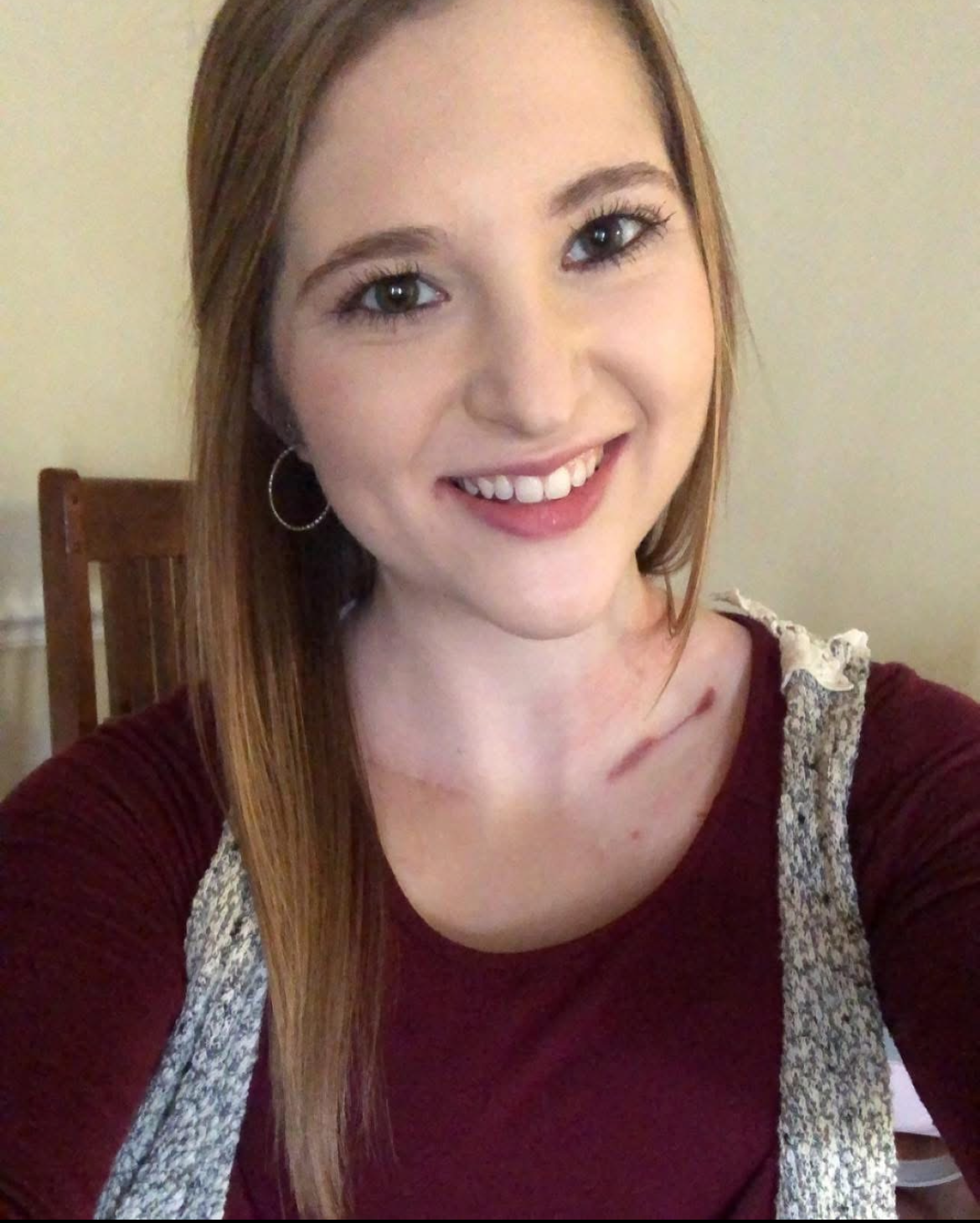
One of the first signs that something could be wrong was in 2009, at 14 years old, when I began developing Transient Ischemic Attack (TIA)-like symptoms every time I would raise my right arm, such as when I washed or styled my hair or got dressed. After many hospital visits and specialist appointments, a vascular surgeon diagnosed me with Thoracic Outlet Syndrome (TOS), discovered to be from a birth defect that caused an extra rib to form bilaterally, which then fused to my first rib.
Naturally, this caused my first rib to be too large and when I raised my arms, it would crease the subclavian artery and cut off the blood circulation to my arm and head and trigger stroke-like symptoms, until I lowered my arms and the circulation restored. My vascular surgeon decided it would be best to remove the first rib; therefore, it would no longer disrupt the blood flow within the subclavian artery. We knew the deformity was on both sides but being that I was only symptomatic on the right side, we opted to just operate on the right side and monitor the left side.
Postoperatively, I had a few complications, like a spontaneous pneumothorax and multiple severe allergic reactions. With that being my first big surgery, we were unaware that I was allergic to all narcotic pain medication, except for one, and latex, which was an ingredient in the chest tube that was emergently inserted into my chest, triggering several anaphylactic reactions within the first few days of my hospital stay. As unusual as those events were, we knew that those were potential risks that we accepted with that surgery, so again, we never questioned anything else to be an issue.
Fast forward to 2017, I started developing the same symptoms of TOS on the left side as I was lifting weights at the gym, so as we did eight years prior, my vascular surgeon removed the left first rib and I essentially had a normal recovery. In December 2018, I started developing TIA-like symptoms again on my right side when I elevated my arm, just like I experienced nine years prior. I also started developing pre-syncopal symptoms. Within a few weeks of developing these new symptoms, I had a TIA-like episode during a routine, unrelated doctor’s appointment and my whole arm became cyanotic and I endured significant one-sided weakness, difficulty speaking, difficulty seeing, etc., all of which lasted longer than it usually did, and was rushed to the emergency room. I was admitted to the hospital under a stroke alert, which fortunately was ruled out; however, I was diagnosed with Chiari Malformation and a reoccurrence of the TOS on the right side, due to a small stump of rib that was left behind.
At this time, my vascular surgeon was under the impression that the Chiari Malformation was causing all the neurological symptoms, while my neurologist thought that the TOS was causing all the symptoms. Since most of my neurological testing came back relatively normal, apart from the herniated cerebellar tonsils that my neurologist eventually declared as “an incidental finding on my imaging,” and stated was not to be a cause for concern, my vascular surgeon hesitantly agreed to remove the remaining portion of my right rib, in the small bit of hope that it would relieve my symptoms. While it did relieve the circulation issue, I still had the pre-syncopal episodes and most of the other neurological symptoms. I also had several postoperative complications, mainly with wound healing, as my surgical site completely dehisced down to the muscle layer, and I had to pack it with gauze until it eventually closed. I was then referred to a cardiologist and like most of my other tests, the majority of my cardiac workup appeared to be normal, as well (or so we thought, at this time).
During all of this, I was also developing strange allergic reactions to almost everything I consumed, the body care products I used, my dogs that I raised for years, supplies I used at work that were unavoidable (I was a Certified Surgical Technologist and was reacting to all surgical scrub soaps, disposable surgical hats, certain cleaning products, etc.), medications, vaccinations, and several other things that I never had a problem with before. Within a very short period of time from when my symptoms started, almost every shift that I worked at the hospital turned into having to administer multiple doses of Epinephrine, Benadryl, and steroids, undergo breathing treatments every few hours, take additional allergy and blood pressure medications, and require frequent breaks to sit or lie down in attempt to manage my symptoms, all while I was trying to assist in the care of our patients, assist our doctors in surgery, and try not to attract attention to myself or cause concern for myself from the patients or my coworkers. Ultimately, I was there to take care of them, not the other way around!
From December 2018 through May 2020, it was a nightmarish battle between multiple specialists, who could not agree on a diagnosis, or even which system of my body was malfunctioning, but the only thing we all agreed on was that everything was quickly worsening and no amount of medication, supplement, diet, lifestyle change, surgery, physical therapy, mental therapy, or extended medical leaves from work, school, and the gym, even slightly eased most of my symptoms.
As if things were not already chaotic enough, in November 2019, I was involved in a car accident on the way home from work where my car was struck from behind by a distracted driver, who was texting while driving his truck traveling at least 55MPH, while I was at a complete stop. I sustained a concussion and a whiplash injury and every symptom that I was having before became ten times worse and in addition to the pre-syncopal episodes, I was beginning to have sudden syncopal episodes.
⸻
Finally Diagnosed
The Day EDS and MCAS Gave Her Story a Name
Around January 2020, I tested positive for Mast Cell Activation Syndrome (MCAS) and started treatment for that. Despite all the combined efforts from my manager, coworkers, doctors that I worked alongside, and my personal doctors to accommodate my medical needs within the work environment, I had to step away from my job and focus on prioritizing my own health. From the words of all my specialists, coworkers, and everyone who knew me, I was going to die if I had continued working at the hospital. Miraculously, my allergists, who I have been with for several years, even before I became chronically ill, are specialized with Ehlers-Danlos Syndrome (EDS) and familiar with the comorbidities so when they discovered my MCAS, they made the connection between my other diagnoses of Chiari Malformation and TOS, the postoperative surgical complications I endured between the multitude of allergic reactions, spontaneous pneumothorax, and wound healing issues, and the struggle I was facing with the pre-syncopal and syncopal episodes, and was immediately referred to a geneticist for further testing.
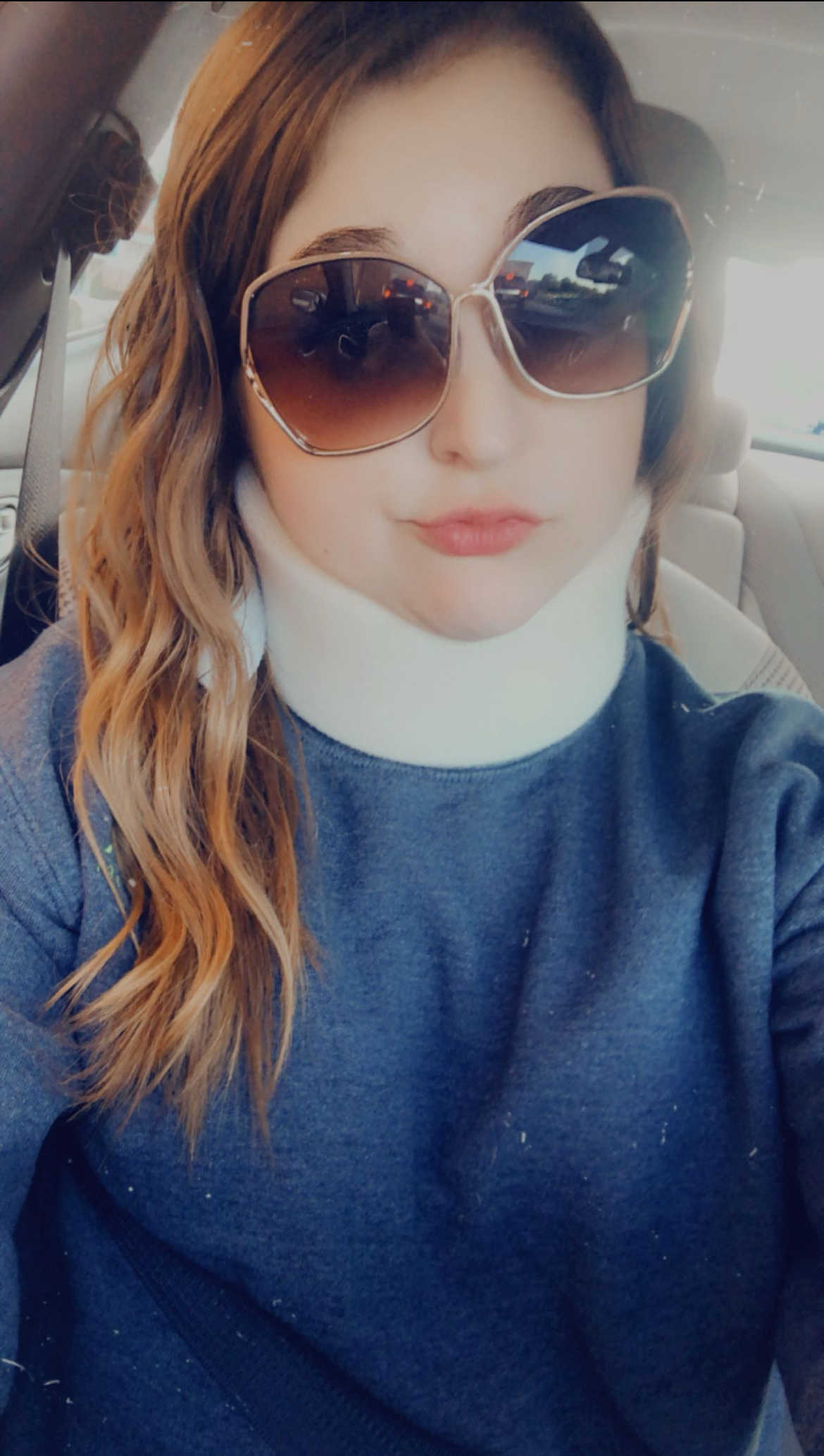
In April 2020, I had my appointment with the geneticist and was formally diagnosed with Hypermobile Ehlers- Danlos Syndrome on that day. Following this appointment, she referred me to multiple EDS- knowledgeable specialists, including a cardiologist, endocrinologist, physical therapist, chronic pain specialist, a neurosurgeon, and others. Since then, I have been diagnosed with Postural Orthostatic Tachycardia Syndrome (POTS), Cranio-Cervical Instability (CCI), and many other comorbidities of the condition! It has been a little over five years since I received my official EDS diagnosis and I have had surgical correction of the Chiari Malformation and CCI, adjusted my lifestyle and found the proper medication for the POTS and MCAS, and my other conditions are improving, as well! I still have my good days and bad days, but who doesn’t?! However, I believe I am with the right team of doctors to help me manage my symptoms, when I am struggling!
⸻
Misconceptions I’ve Heard
What’s a myth or misunderstanding about EDS:
It is not just about being extra flexible and “having cool party tricks,” like being able to pop your joints out of socket on demand or doing the splits without stretching or any training. It also comes with a number of other symptoms, like chronic pain, frequent joint dislocations or subluxations, easy bruising, poor wound healing, etc., and that does not even cover the symptoms of the many comorbidities that I have also been diagnosed with.
⸻
What You See vs. What You Don’t
Share the realities of living with EDS:
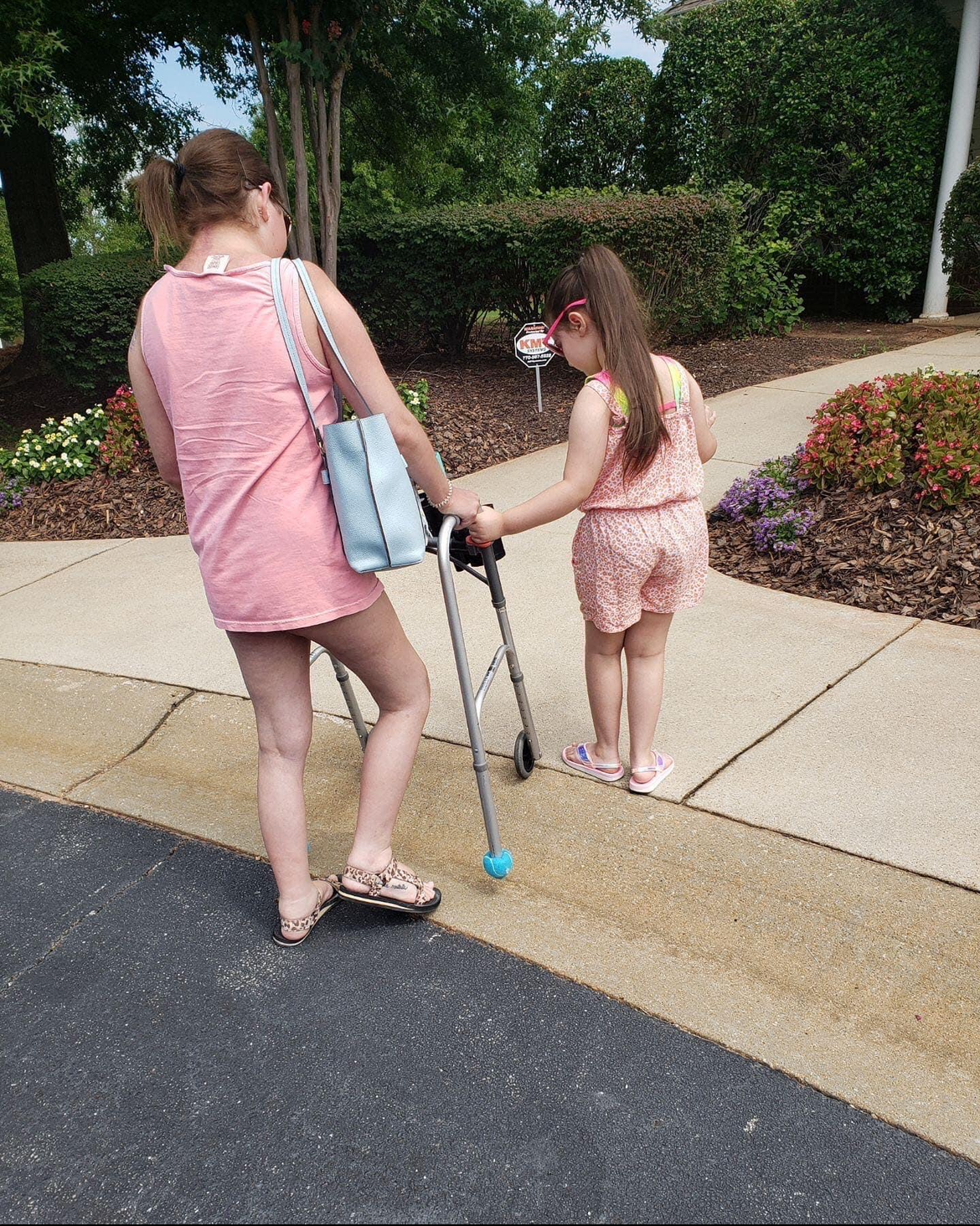
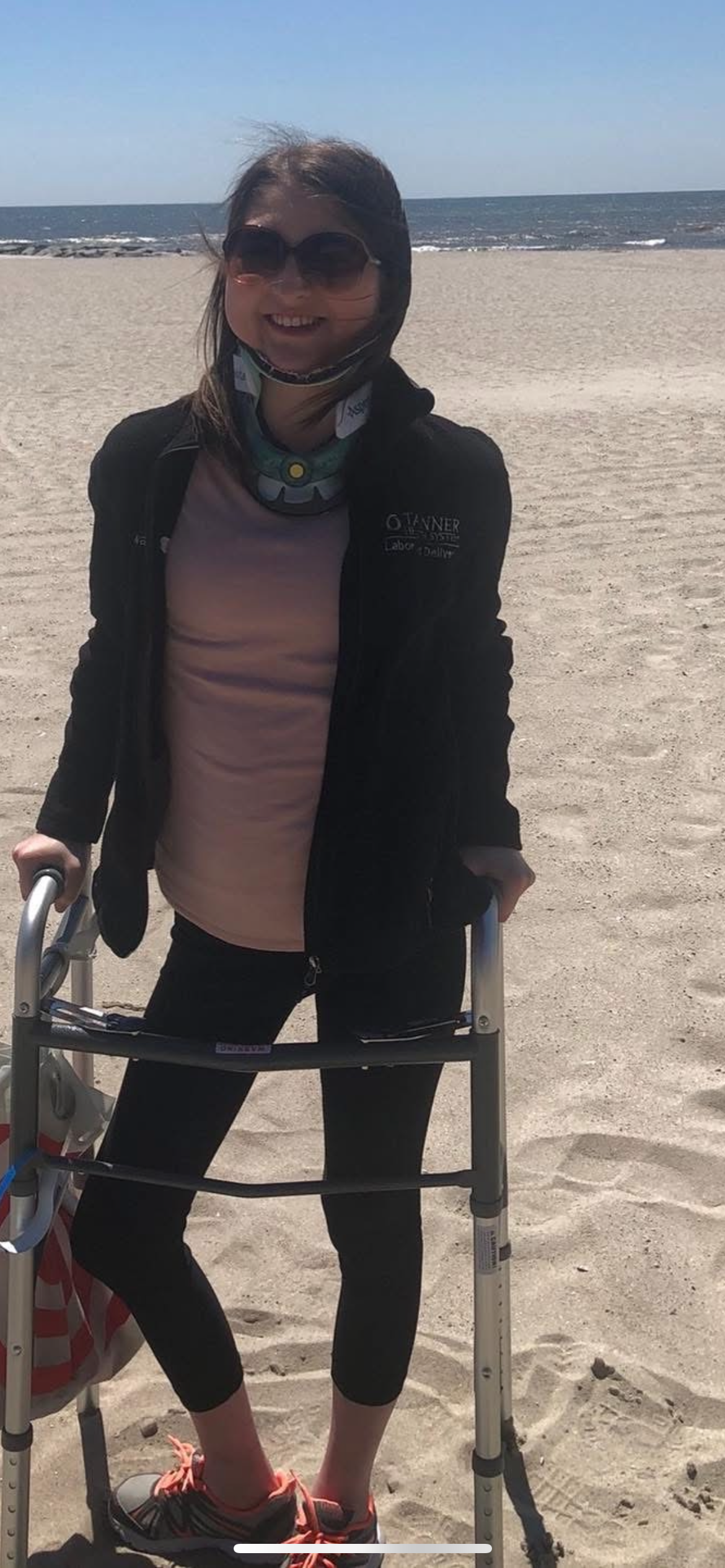
I can appear as a perfectly healthy individual to someone who does not know me, but I could be heavily suffering whether it is due to uncontrollable pain levels or a flare-up of any of the several comorbidities I have also been diagnosed with. Every day is a new day, and you never know what to expect until you wake up in the morning. Even then, things can take a turn very quickly and unexpectedly. Some days, I can walk around unassisted, but on particularly difficult days, I have to rely on a walker or wheelchair. I have heard the comment, “You do not look disabled” too many times to count, as if disability has a specific appearance to it. Never judge a book by its cover.
⸻
My Most Challenging Symptom
Which symptom impacts you the most:
Somewhere in between the sudden fainting spells from Postural Orthostatic Tachycardia Syndrome (POTS), the unpredictable anaphylactic allergic reactions to literally anything from Mast Cell Activation Syndrome (MCAS), or the daily debilitating migraines from Chiari Malformation and Cranio-Cervical Instability (before my brain surgery and cervical fusion).
⸻
The Health Professionals Who Listened
Give a shoutout to a healthcare professional who helped you and listened:
I have many specialists, but these specific five doctors deserve to be acknowledged: Dr. Ariana Buchanan and Dr. Theodore Lee (allergists), Dr. Howard Snapper (cardiologist), Dr. William Jordan, Jr. (vascular surgeon), and Dr. Paolo Bolognese (neurosurgeon)- all five of them have dedicated a significant amount of their time to truly listen to me, run the proper testing, diagnose my conditions, manage my symptoms, and have literally saved my life multiple times! I have too many stories I could tell about all of their life-saving measures and the time they took (and still take), just for me, but we do not have all day! In all seriousness, these five doctors go above and beyond for me and I could never thank them enough!
⸻
Small Wins Matter
What’s something you’ve accomplished despite your EDS that you’re proud of:
I graduated college and landed my dream job as a Certified Surgical Technologist in Labor and Delivery, where I worked for four years with the most amazing team of co-workers and doctors! Although I had to retire from my career much earlier than I expected, due to the comorbidities of EDS, I will always cherish the few years that I got to fulfill my dream!
⸻
My Support System
Pets, friends, family, online communities—who has your back:
I am VERY blessed with the best support system between my family, friends, medical teams, and my fur babies! I have the biggest group of cheerleaders on my side, who are always there for me when I am in need, and I could not be more thankful for each of them!
⸻
What I Wish People Knew
Share how EDS impacts mental well-being:
I have been diagnosed with ADHD, anxiety, depression, OCD, and OCPD (all comorbidities of EDS), and it is a very difficult battle to face, in addition to the physical symptoms of EDS. I have the best therapist, who also shares some of the same chronic illnesses as I do, and she helps me significantly!
My Medical Must-Haves
Devices, braces, medications—what helps you daily:
I take many, many medications throughout the day, wear various braces depending on the day and the presenting issue(s), and on some days, I have to use crutches, a walker, or a wheelchair. I also use a shower chair because I cannot stand in the stand in the shower for the full duration of my shower.
⸻
My Hope for Research
What breakthroughs would change your life:
I would love to see further education being presented to healthcare professionals, so the diagnosis process and proper treatment is not as difficult to come by.
⸻
How I Advocate
How do you spread awareness for EDS or advocate for yourself:
I use my disability to educate as many people as I can to raise awareness for this commonly misdiagnosed condition, in hopes that my efforts will make the diagnosis process easier for those who have yet to be formally diagnosed, and they will not have to suffer for as long as I did without proper treatment.
⸻
The Best Advice I’ve Received
What’s a valuable tip from a provider or fellow zebra:
My therapist, who is also a fellow zebra, has told me on several occasions that it is okay to grieve the life you used to live when you were healthy, active, and staying busy; however, you still have a purpose and cannot let your diagnosis define you. Sometimes, you must let go of the picture of what you thought life would be like and learn to find joy in the story you’re living in. Although my life looks a whole lot different than I originally would have imagined, I am incredibly blessed with everything I have now!
⸻
Words to My Younger Self
What advice would you give past you:
ALWAYS advocate for yourself! If a healthcare provider does not believe you or cannot figure out why you are feeling poorly, find somebody else who will listen to you and find an answer. Trust your gut and never doubt yourself. You are not crazy. Do not be afraid to seek a second, third, or fourth opinion if you do not feel like you are receiving proper care. Do your own research, keep a health journal, and do your responsibilities as a patient to help your doctors find the right answer. You and your healthcare providers are a team and need to work together to make you feel better. On another note, always be willing to accept help when it is being offered to you, and do not be afraid to ask for help when you need it. As a naturally independent individual, I used to be so embarrassed to ask or accept help in any way, but in reality, everybody needs help at some point in their lives. You are not meant to face any challenge alone.
⸻
My Biggest EDS Learning Moment
What’s something that changed how you manage your condition:
I used to put my health on the back burner in order to do the things that I wanted to do, like work, attend school, go to the gym, travel to see friends and family, etc., and I would put everyone else’s wants and needs above my own, even if it meant that I would be suffering for the days following. However, I have learned to prioritize my health and everything else will fall into place, when the time is right. Your true friends and family members will always be there for you on your good days, and be a valuable source of love, support, and encouragement on your bad days. They will understand if plans must change because you may not be feeling your best. The gym and school will always be there, when you are healthy enough to attend. It is always better to show up when you are in your best state so you can perform better and avoid further illness and/or injury. Patience and listening to your body are key to maintaining optimum health, whether you have a chronic illness or not. Rest and recuperation are also very important when you have a chronic illness, let alone multiple chronic illnesses.
⸻
Send Some Love and Stay Connected
We are so grateful to Andrea for courageously sharing her journey with Ehlers-Danlos Syndrome. Her story is not only powerful—it’s a lifeline for others navigating similar challenges. Through her honesty, resilience, and unwavering advocacy, Andrea offers hope to those still searching for answers, struggling to be believed, or learning to adapt to a new reality.
If her story touched your heart, we invite you to leave a comment below—whether it’s a question, a note of encouragement, or just a little love.
And if you’re looking for a community that truly understands, where you can share your story and feel supported every step of the way, we’d love to welcome you to the EDS Zebra Club. This isn’t just a support group—it’s a place to belong.
Join us in the EDS Zebra Club on Facebook
Because your story matters too.